Hair protection encompasses practices and products aimed at preserving and maintaining the health and appearance of hair. It involves shielding hair from environmental stressors, chemical treatments, and styling practices that can damage its structure and vitality.
Protecting hair is essential for maintaining its strength, shine, and overall beauty. By employing effective hair protection measures, individuals can prevent hair breakage, split ends, dryness, and other common hair concerns. Historically, various cultures have utilized natural ingredients and traditional practices to safeguard hair health.
This article delves into the multifaceted aspects of hair protection, shedding light on its significance, exploring its historical roots, and examining the diverse range of products and techniques available to achieve optimal hair health.
Best Hair Protection
Maintaining healthy, beautiful hair requires a comprehensive approach to protection. Here are five key aspects to consider:
- Prevention: Avoiding practices that damage hair, such as excessive heat styling and chemical treatments.
- Nourishment: Providing hair with essential nutrients through a balanced diet and hair care products.
- Moisturization: Keeping hair hydrated to prevent dryness and breakage.
- Protection: Shielding hair from environmental factors like UV radiation and pollution.
- Repair: Restoring damaged hair with products and treatments designed to strengthen and revitalize.
These aspects are interconnected and crucial for achieving optimal hair health. Prevention is key, as avoiding harmful practices can significantly reduce hair damage. Nourishment provides the building blocks for strong, healthy hair, while moisturization keeps it supple and manageable. Protection safeguards hair from external stressors, and repair remedies existing damage, restoring hair's vitality. By considering these five aspects, individuals can develop an effective hair care routine tailored to their specific needs.
Prevention
Prevention is a cornerstone of effective hair protection, as avoiding practices that damage hair can significantly reduce the need for repair and restoration. Excessive heat styling and chemical treatments are common culprits of hair damage, leading to dryness, breakage, and loss of vitality.
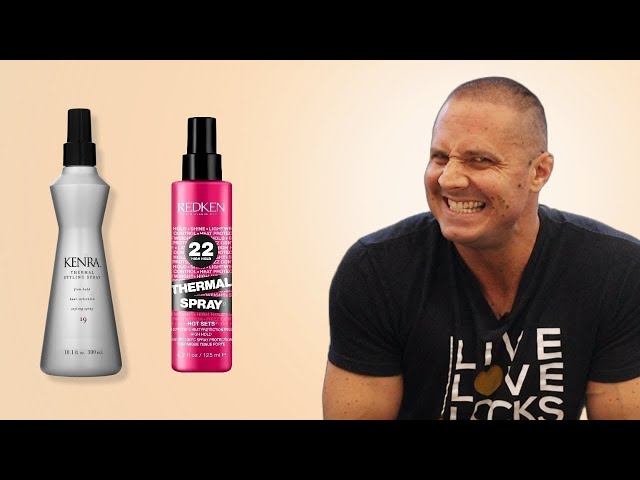
- Heat Styling: Excessive use of heat styling tools, such as blow dryers, flat irons, and curling wands, can strip hair of its natural moisture, making it brittle and prone to breakage. Opting for lower heat settings and using heat protectant sprays can help minimize heat damage.
- Chemical Treatments: Chemical hair treatments, such as perms, relaxers, and hair dyes, can alter the hair's structure, potentially leading to weakened strands and increased susceptibility to damage. Limiting the frequency of chemical treatments and seeking professional advice before undergoing any such procedures is advisable.
By avoiding these damaging practices, individuals can take a proactive approach to hair protection, preserving the health and beauty of their hair in the long run.
Nourishment
Nourishment plays a vital role in best hair protection, as it provides the hair with the essential nutrients it needs to stay healthy and strong. A balanced diet rich in vitamins, minerals, and protein is crucial for hair health. Additionally, using hair care products that contain nourishing ingredients can help to protect and strengthen the hair.
- Essential Nutrients: Hair requires a range of nutrients to maintain its health, including protein, biotin, iron, and zinc. Protein is essential for hair growth, while biotin helps to strengthen the hair shaft. Iron and zinc are important for hair growth and preventing hair loss.
- Balanced Diet: Eating a healthy diet that is rich in fruits, vegetables, and whole grains can help to ensure that the hair is getting the nutrients it needs. Foods that are good for hair health include salmon, avocados, nuts, and leafy green vegetables.
- Hair Care Products: In addition to a healthy diet, using hair care products that contain nourishing ingredients can help to protect and strengthen the hair. Look for products that contain ingredients such as argan oil, coconut oil, or shea butter, which can help to moisturize and protect the hair.
By providing the hair with the nutrients it needs, individuals can help to protect it from damage and keep it looking healthy and strong.
Moisturization
Maintaining adequate moisture levels is a crucial aspect of hair protection as it helps to prevent dryness and breakage, two common concerns that can compromise hair health and appearance.
- Moisture Balance: Healthy hair contains a balance of moisture that keeps it soft, pliable, and less prone to damage. When hair lacks moisture, it becomes dry, brittle, and susceptible to breakage.
- Environmental Factors: External factors such as sun exposure, wind, and cold temperatures can strip hair of its natural moisture, leading to dryness and damage.
- Protective Layer: A well-moisturized hair shaft has a protective layer of lipids that helps to seal in moisture and prevent external aggressors from penetrating the hair cuticle.
- Moisturizing Products: Using hair care products that contain moisturizing ingredients, such as humectants and emollients, can help to replenish and retain moisture in the hair.
By keeping hair adequately moisturized, individuals can enhance its overall health and vitality, reducing the risk of breakage and dryness while promoting a more manageable and lustrous appearance.
Protection
In the context of best hair protection, safeguarding hair from environmental aggressors is of paramount importance. Exposure to ultraviolet (UV) radiation and pollution can inflict significant damage to hair, leading to dryness, color fading, and premature aging.
- UV Radiation: Prolonged sun exposure can deplete hair of its natural oils, making it dry, brittle, and more susceptible to breakage. UV rays also contribute to color fading, especially in dyed hair.
- Pollution: Airborne pollutants, such as dirt, dust, and smoke, can accumulate on the hair shaft, weighing it down and making it appear dull and lifeless. Pollution particles can also irritate the scalp, leading to dandruff and other scalp conditions.
- Protective Measures: To shield hair from these environmental hazards, individuals should adopt protective measures such as wearing hats or scarves when outdoors, using UV protectant hair sprays, and cleansing hair regularly to remove pollutants.
- Repair and Restoration: If hair has already been damaged by environmental factors, deep conditioning treatments and protein-rich hair masks can help to repair and restore its health and vitality.
By implementing these protective measures, individuals can minimize the impact of environmental stressors on their hair, preserving its strength, shine, and overall well-being.
Repair
Repairing damaged hair is an essential component of "best hair protection" as it addresses the consequences of various hair damaging factors, restoring hair's health and vitality. Damaged hair, often a result of chemical treatments, heat styling, or environmental stressors, exhibits weakness, breakage, and a lack of luster. Repairing such hair involves employing products and treatments specifically formulated to strengthen and revitalize it.
Hair repair treatments work by replenishing the hair's structural components, such as proteins and lipids, which are essential for maintaining hair's strength and integrity. These treatments can come in the form of deep conditioning masks, protein-rich shampoos and conditioners, or leave-in treatments. By deeply penetrating the hair shaft, these products help repair damaged areas, smooth the hair cuticle, and restore hair's natural shine and elasticity.
Incorporating hair repair into a comprehensive hair protection routine is crucial for maintaining healthy, resilient hair. Regular use of repair treatments helps to reverse the effects of damage, preventing further breakage and split ends. Moreover, repaired hair is better able to withstand future stressors, making it less prone to damage in the long run.
Best Hair Protection FAQs
This section addresses frequently asked questions (FAQs) about best hair protection, providing concise and informative answers to common concerns and misconceptions.
Question 1: What are the most common causes of hair damage?Answer: Hair damage can result from various factors, including excessive heat styling, chemical treatments, environmental stressors like UV radiation and pollution, and improper hair care practices.
Question 2: How can I prevent hair damage?Answer: Preventing hair damage involves adopting protective measures such as limiting heat styling, using heat protectant sprays, avoiding harsh chemicals, shielding hair from environmental aggressors, and following gentle hair care routines.
Question 3: What are the signs of damaged hair?Answer: Damaged hair often exhibits dryness, brittleness, split ends, a lack of shine, and increased tangling and breakage.
Question 4: How can I repair damaged hair?Answer: Repairing damaged hair requires a combination of deep conditioning treatments, protein-rich hair products, and protective hair care practices. Regular use of these treatments helps restore hair's strength, elasticity, and overall health.
Question 5: Is it possible to prevent hair loss?Answer: While some hair loss is a natural part of the hair growth cycle, excessive hair loss may indicate underlying health issues or require specific hair care measures. Consulting a healthcare professional or hair specialist is advisable to determine the cause and appropriate treatment options.
Question 6: What are the best hair care practices for maintaining healthy hair?Answer: Maintaining healthy hair involves following a balanced diet rich in essential nutrients, using gentle hair care products, avoiding excessive styling and chemical treatments, and protecting hair from environmental damage. Regular trims to remove split ends and promote healthy hair growth are also beneficial.
Summary: Best hair protection encompasses a range of practices and products aimed at preserving and restoring hair health. By understanding the causes of hair damage, adopting preventive measures, and incorporating repair treatments into a hair care routine, individuals can maintain strong, healthy, and beautiful hair.
Transition: The following section will explore advanced hair protection techniques and emerging trends in hair care.
Best Hair Protection Tips
Implementing effective hair protection measures is crucial for maintaining healthy and beautiful hair. Here are five essential tips to safeguard your hair:
Tip 1: Embrace Gentle Hair Care PracticesTreat your hair with care to minimize damage. Avoid harsh brushing, excessive detangling, and tight hairstyles that can cause breakage. Use a wide-toothed comb to detangle wet hair gently, and opt for silk or satin pillowcases to reduce friction.
Tip 2: Limit Heat Styling and Chemical TreatmentsExcessive heat styling and chemical treatments can weaken hair, making it more prone to damage and breakage. Air-dry your hair whenever possible, and if using heat styling tools, apply a heat protectant spray beforehand. Limit chemical treatments, such as coloring or straightening, to minimize their impact on hair health.
Tip 3: Nourish Hair with a Balanced Diet and SupplementationA healthy diet rich in essential nutrients is vital for hair health. Include plenty of protein, biotin, iron, and zinc in your meals. Consider consulting a healthcare professional about hair-specific supplements to support hair growth and strength.
Tip 4: Protect Hair from Environmental FactorsEnvironmental stressors like UV radiation and pollution can damage hair. Protect your hair by wearing a hat or scarf when exposed to the sun, and use hair care products that contain UV protectants. Regular cleansing is also essential to remove pollutants and prevent buildup.
Tip 5: Deep Condition Regularly and Use Protein TreatmentsDeep conditioning treatments and protein treatments are essential for repairing and strengthening damaged hair. Use a deep conditioner once or twice a week to replenish moisture and restore hair's elasticity. Incorporate protein treatments into your hair care routine to fortify hair strands and prevent breakage.
Summary: By following these best hair protection tips, you can safeguard your hair from damage, promote healthy growth, and maintain its beauty and vitality.
Conclusion: Embracing these hair protection measures will help you achieve and maintain a healthy, lustrous head of hair.
Conclusion
In summary, "best hair protection" encompasses a comprehensive approach to maintaining healthy and beautiful hair. It involves understanding the causes of hair damage and adopting preventive measures, such as gentle hair care practices, limiting heat styling and chemical treatments, and nourishing hair with a balanced diet and supplements.
Furthermore, protecting hair from environmental factors, deep conditioning regularly, and using protein treatments are essential for repairing and strengthening damaged hair. By implementing these best hair protection tips, individuals can safeguard their hair from damage, promote healthy growth, and maintain its beauty and vitality.
Youtube Video:



No comments:
Post a Comment